Find out why your neighbours have trusted Cabinet Plus for the past 60 years!

We’re Looking for New Team Members!
Cabinets Plus Blog
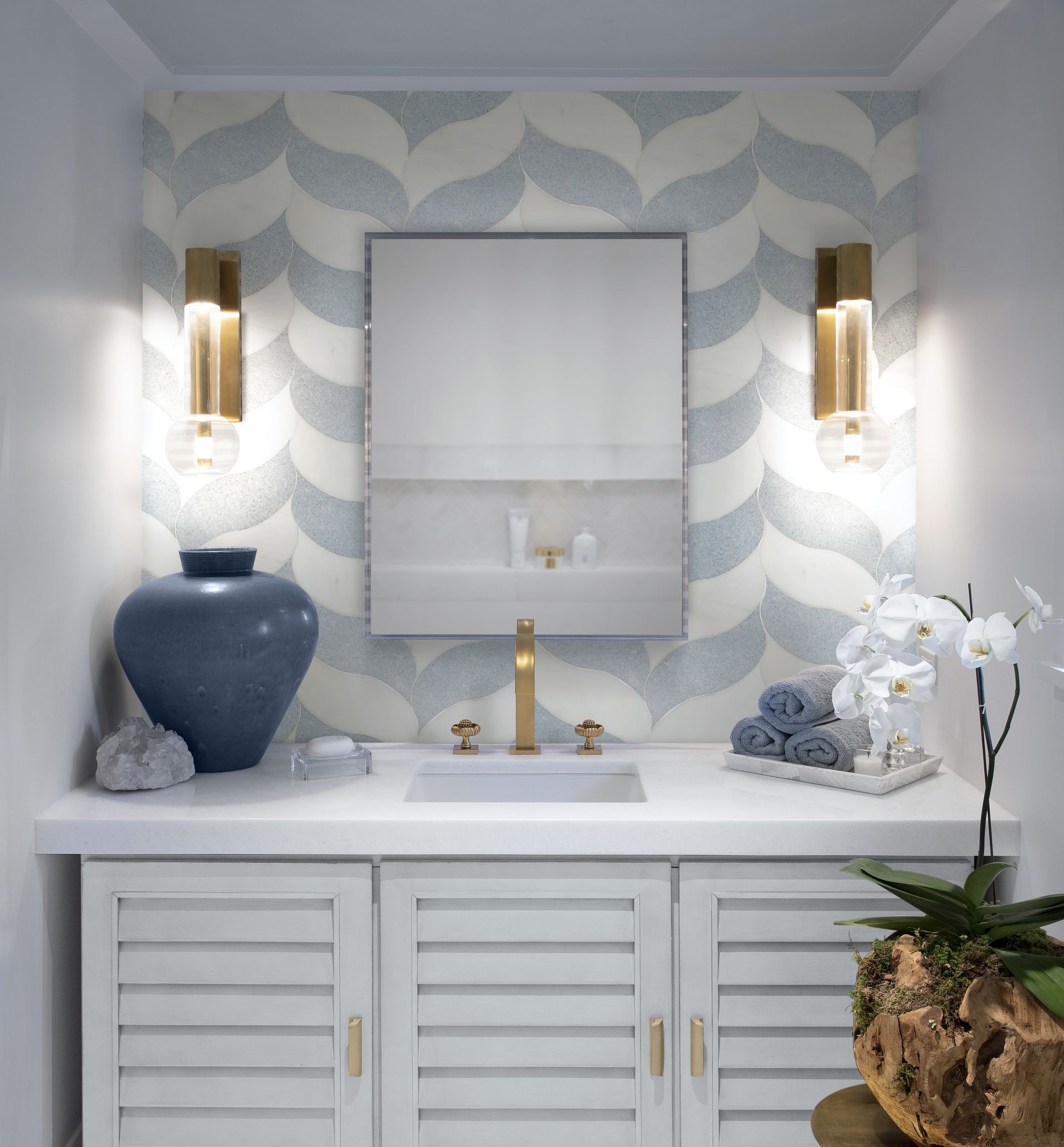
Elevate Your Space with the Top 5 Kitchen & Bath Tile Trends!
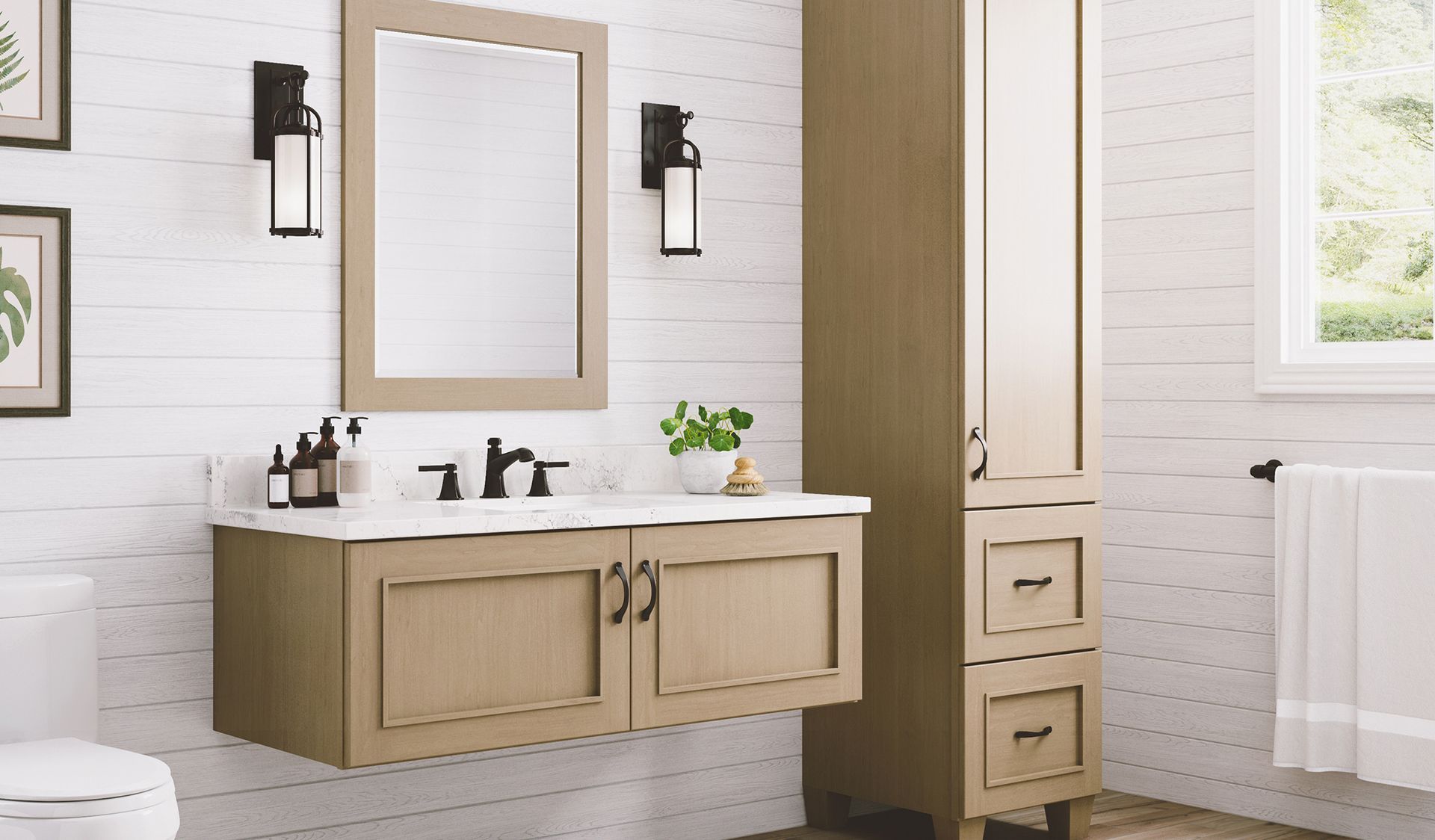
Timeless Elegance is in!
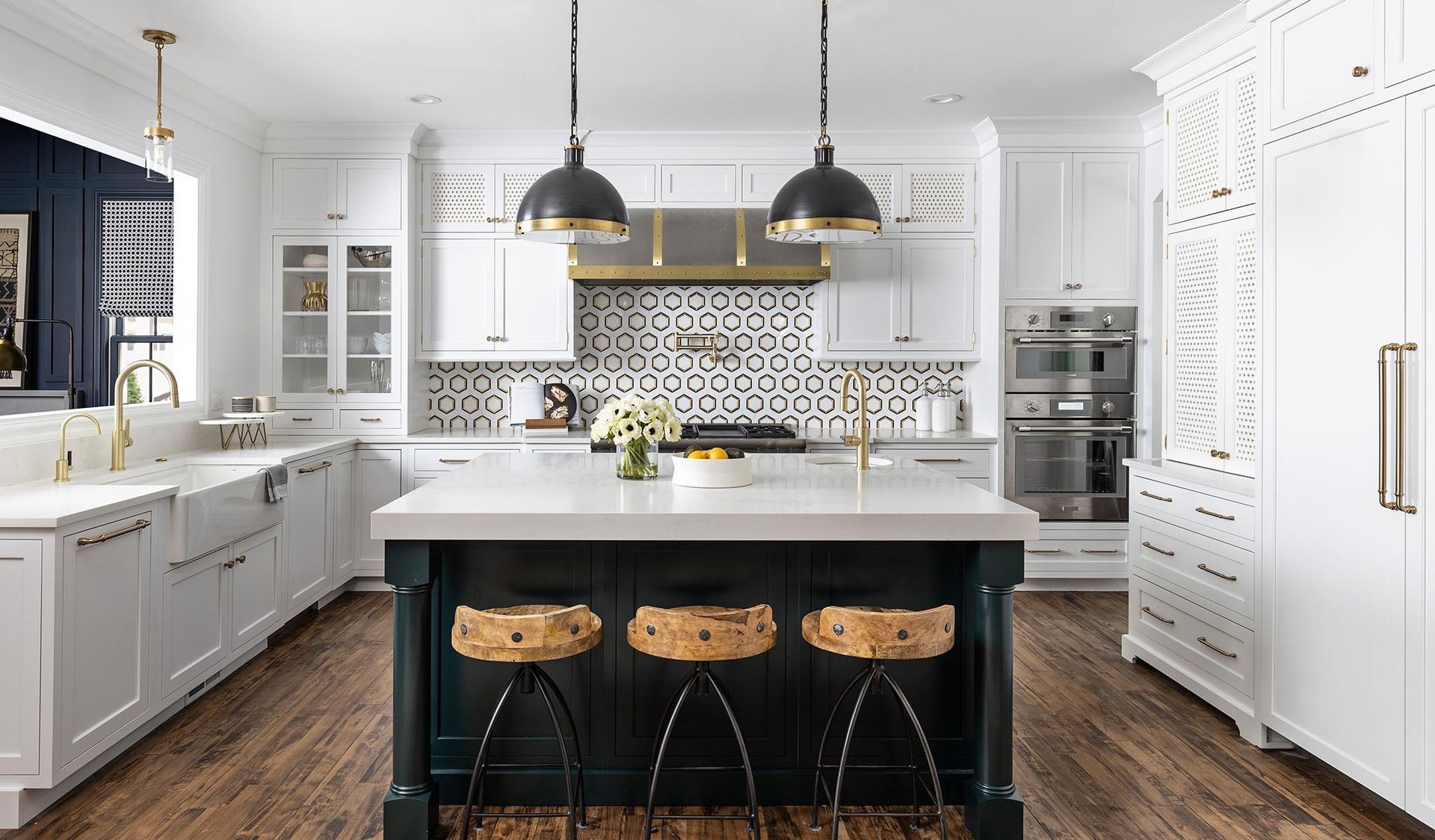
The kitchen has long been considered the heart of the home, and in 2024, it's poised to be even more central to our daily lives. With a focus on functionality, sustainability, and aesthetics, this year's kitchen trends promise to elevate both form and function.
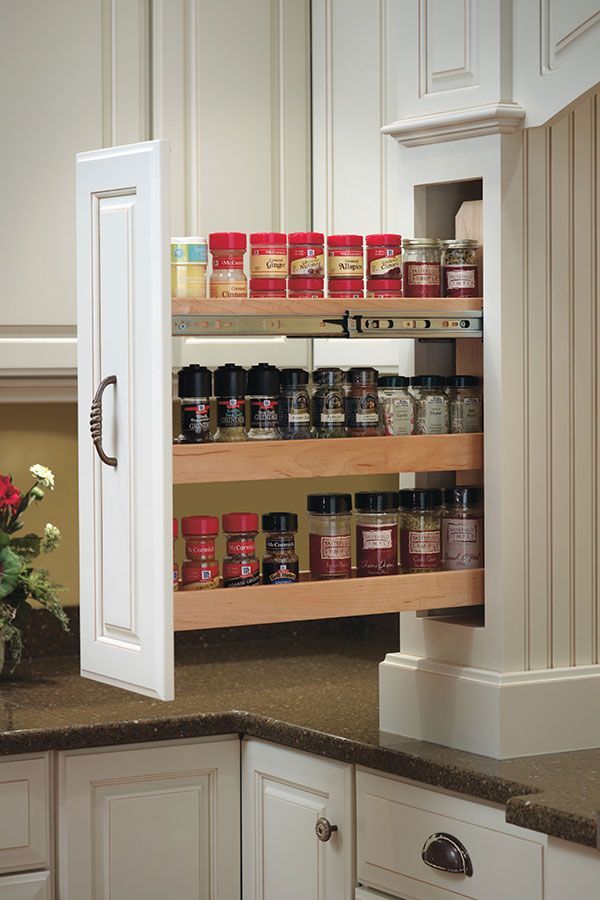
Find what works for you
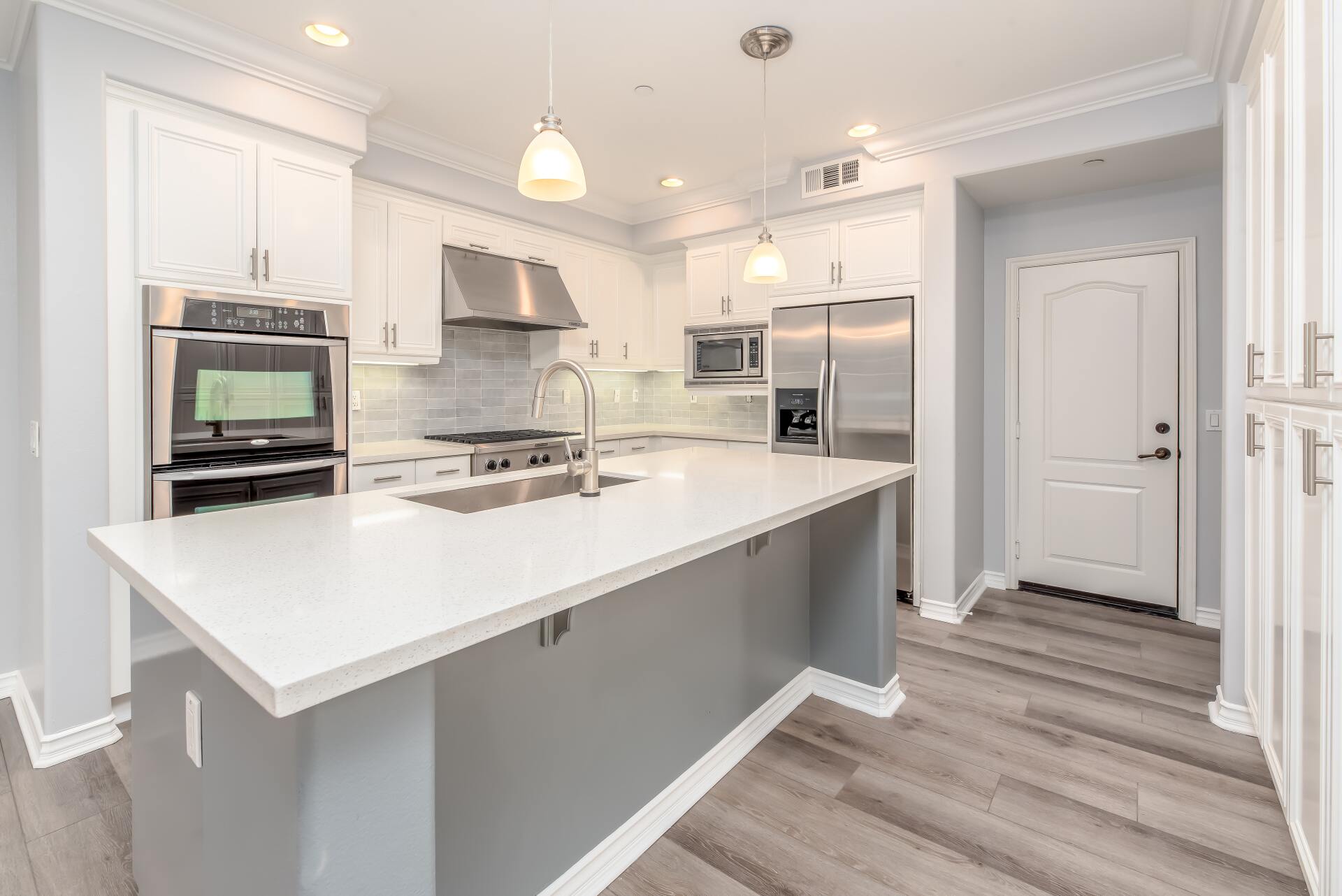
Improve you kitchen functionality with a few simple additions to your island The workhorse. The dining table. The desk. The prep station. Today, kitchen islands have become more than just a focal point – they’ve become the center of activity. Making prep work, entertaining, and dining easier than ever, the kitchen island provides endless functionality. And the best part? You don’t have to sacrifice beauty. It can be both functional AND beautiful. From under-counter storage and housing your appliances to stylish small details like mix and matching hardware, you can take your kitchen island from workable and efficient, to sleek and stunning. Check out our tips below on how to create a dreamy kitchen island:

According to a recent survey by LightStream Home Improvement Trends, the top home renovations continue to be in our kitchens and baths. And the reason behind these projects is a desire to love our homes. In fact, 73% of those surveyed reported that they’ve invested in a home improvement project since the pandemic began. The homeowners said they’re currently focused on renovation projects “that provide emotional fulfillment, not just a return on investment”. Fifty one percent said they wanted to feel joyful in their home and 29% said their motivation was to be “happy with a space for years to come”. Here at Cabinets Plus, we’ve felt this first hand. We have never been busier and we love assisting our customers while designing their dream kitchen or bath. The pandemic has increased our business exponentially (thank you) and we have met the challenges with a continued commitment to our clients: to give them the joy inspiring kitchen or bath they have been looking forward to. Right now, people are waiting longer for the finished product, but they keep telling us their joy-inspired project was really worth the wait! It’s our goal to make you happy from the moment you walk through our showroom door until the moment we leave your home for you to enjoy. In fact, during your project you’re given a “Make Me Happy” sheet so when comments or concerns do arise, you have a place to jot them down for us.
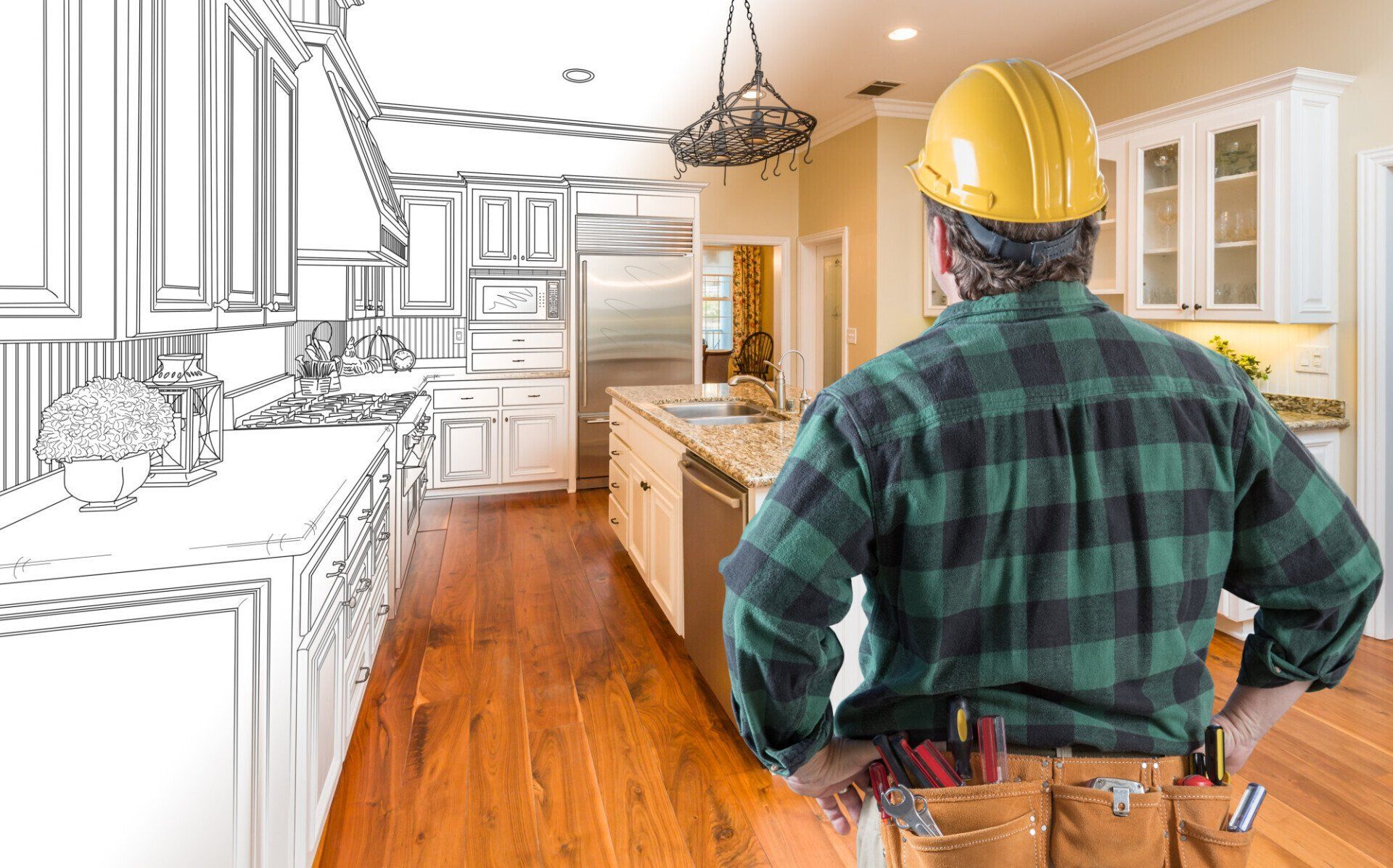
Avoid these common mistakes when planning a remodel.

Bidets are widely used around the world and are finally finding appreciation in the United States. There are some compelling reasons to add a bidet. First, comfort is key. Cleaning with a bidet is gentler than dry paper. Those with sensitive skin, medical conditions, or limited mobility will definitely appreciate a thorough but kinder type of clean. Secondly, cleaning with a spray of water is more effectively hygienic. Water gives a better clean and it's hands-free. Additionally, bidets are environmentally friendly. Toilet paper is resource intensive with a great deal of wood and water used to produce what is literally just flushed down the toilet.
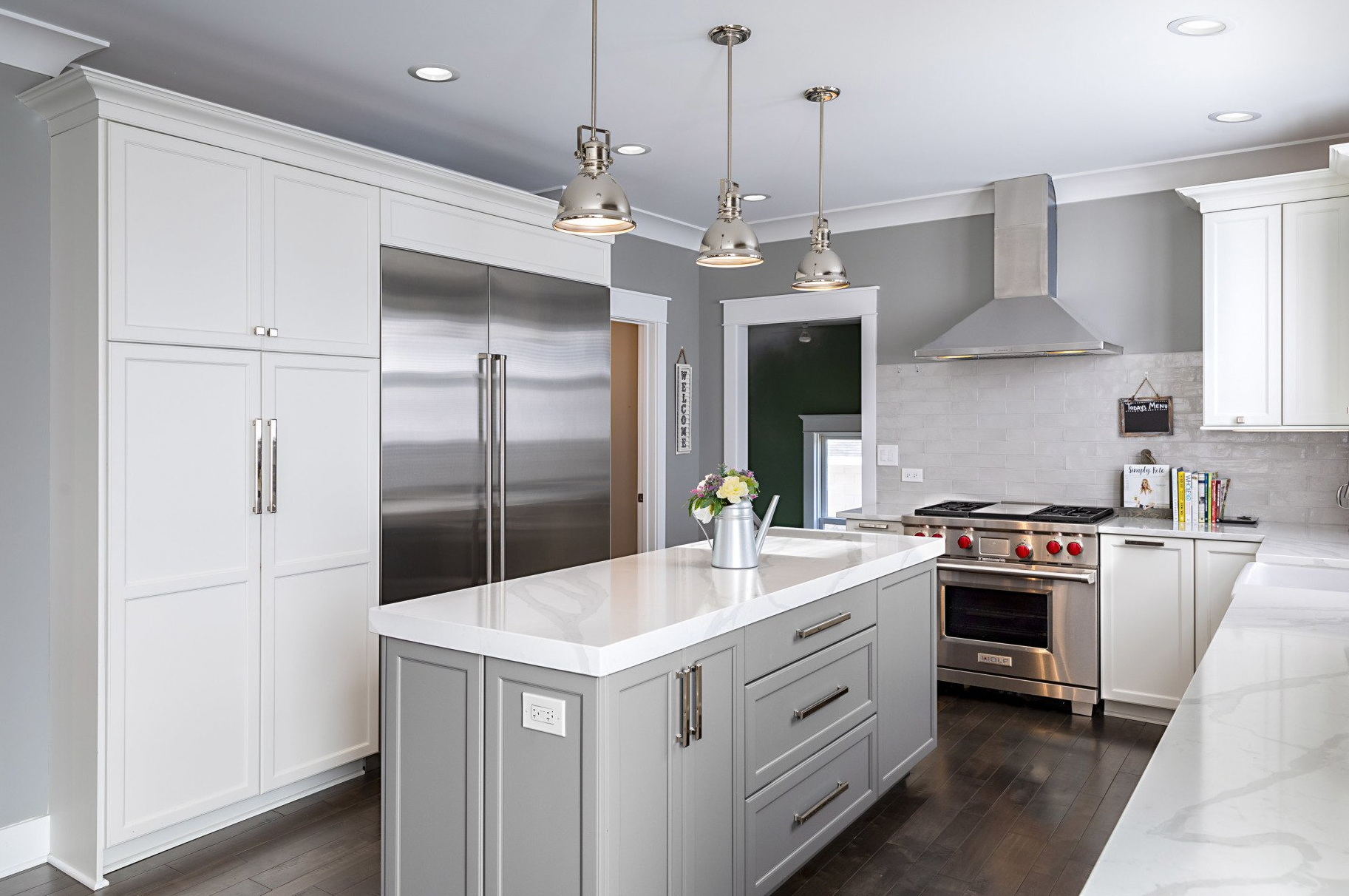
Designing a kitchen for serious cooking and serious entertaining.